If you’ve ever smoked a bud that smelled like crushed mango, rain-soaked pine or a candy-sweet fruit mix, remember this — it’s not magic, it’s terpenes. And in 2025, the terpene profile is the real superstar of the grow world. Fewer and fewer people ask about THC percentages; more and more ask about intensity of flavor, aromatic depth and overall “nose feel.” Below, we dive deep into how to genuinely increase terpene production in a home grow, without witchcraft and without spending a fortune.
Terpenes — tiny molecules, huge difference
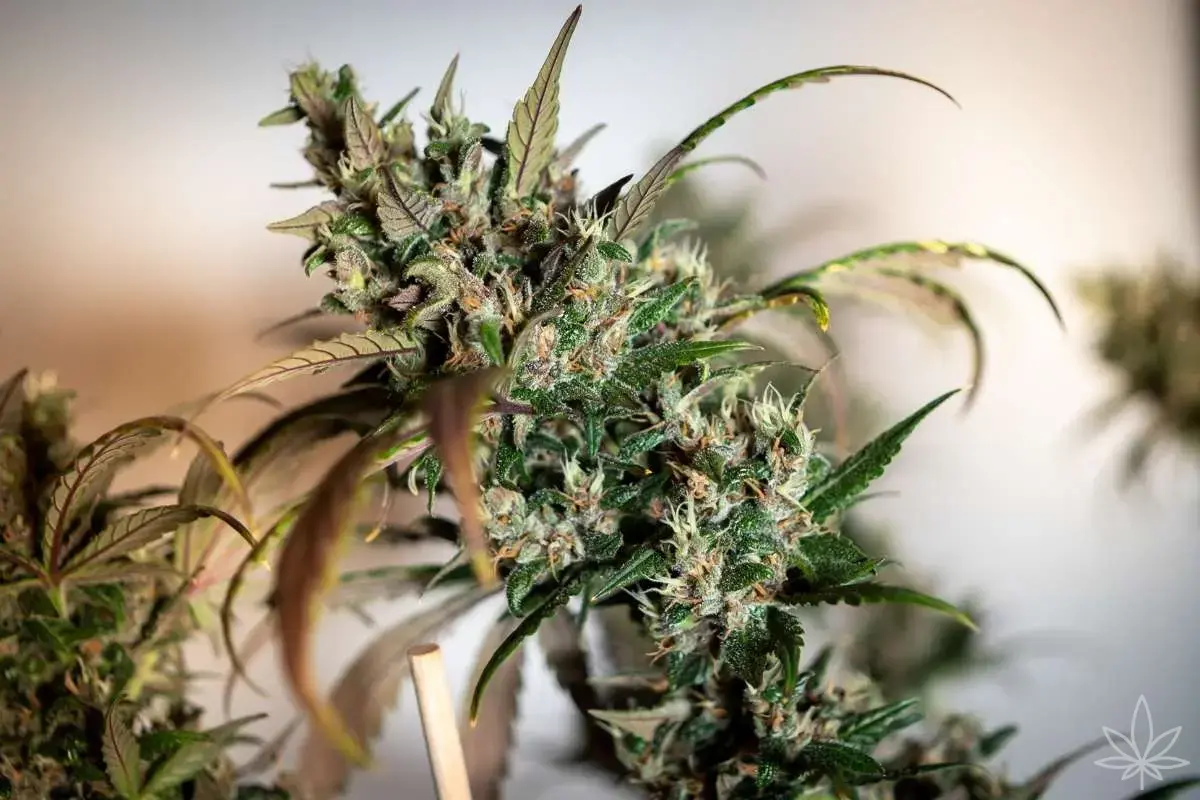
Let’s start from the basics: terpenes are aromatic compounds responsible for the scent and flavor of your plant. From citrusy limonene to relaxing linalool and spicy caryophyllene — each of them influences not only aroma, but also the overall effect. This is the “entourage effect” everyone keeps talking about.
And their quantity? That part is up to the grower. And that’s where the fun begins.
1. Genetics — start with plants that actually have flavor potential
You can have the best light, the perfect temperature and the fanciest fertilizer — but if the genetics lack aromatic potential, you won’t squeeze much out of them. Always begin with strains known for strong terpene profiles, such as:
- Gelato, Runtz, Blueberry, Sour Diesel, Super Lemon Haze, Mimosa, Strawberry Banana.
- In Europe, good seeds from these lines cost around 20–40 EUR for 3 seeds, with premium feminized ones going up to 50 EUR.
Genetics are 60% of the success. Everything else is tuning.
2. Lighting — the spectrum builds the aroma
What beginners most often neglect is the LED spectrum — “as long as it shines.” But plants react to light intensity and wavelength distribution.
- Modern full-spectrum LEDs (3000–4000K, with some 660 nm) stimulate terpene production.
- Too strong lighting (PPFD 900+ µmol/m²/s without CO₂) can… burn terpenes before they even form.
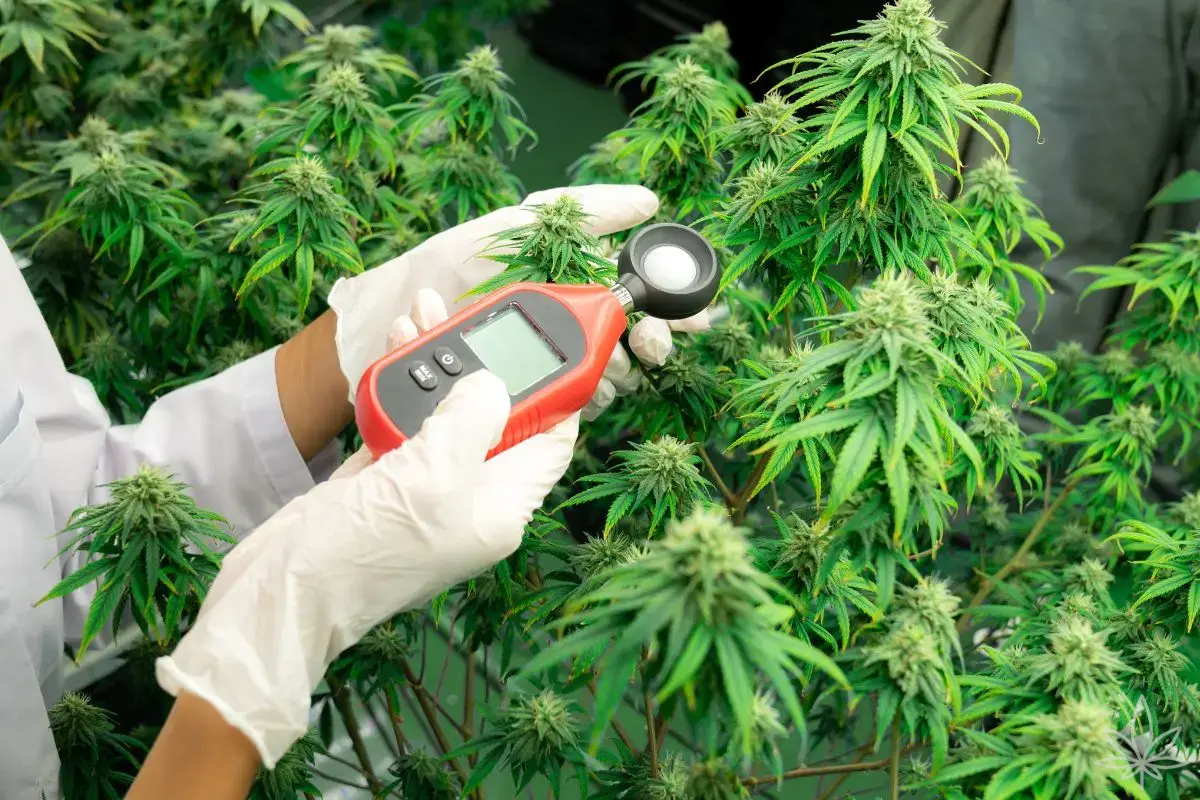
- For aroma optimization: 600–800 µmol/m²/s in flowering.
Good 240–300W LED panels now cost 200–350 EUR and make a massive difference.
3. Temperature and humidity — the cold finish really works
One of the best tricks is the so-called cold finish — slightly lowering temperatures during the final 10–12 days of flowering.
Why? Because terpenes are volatile and the plant preserves them better at lower temperatures.
- Day: 22–24°C
- Night: 17–19°C
- Humidity: 45–50%
These parameters are still safe, but the aroma jumps dramatically.
Overheating above 28°C is a guaranteed way to lose flavors — every grower has been there.
4. Feeding — less is more
A plant receiving too much nitrogen or overly aggressive NPK formulas focuses on building biomass, not terpenes.
The rule is simple:
- strong aroma = moderate feeding
- the closer to harvest, the less nitrogen
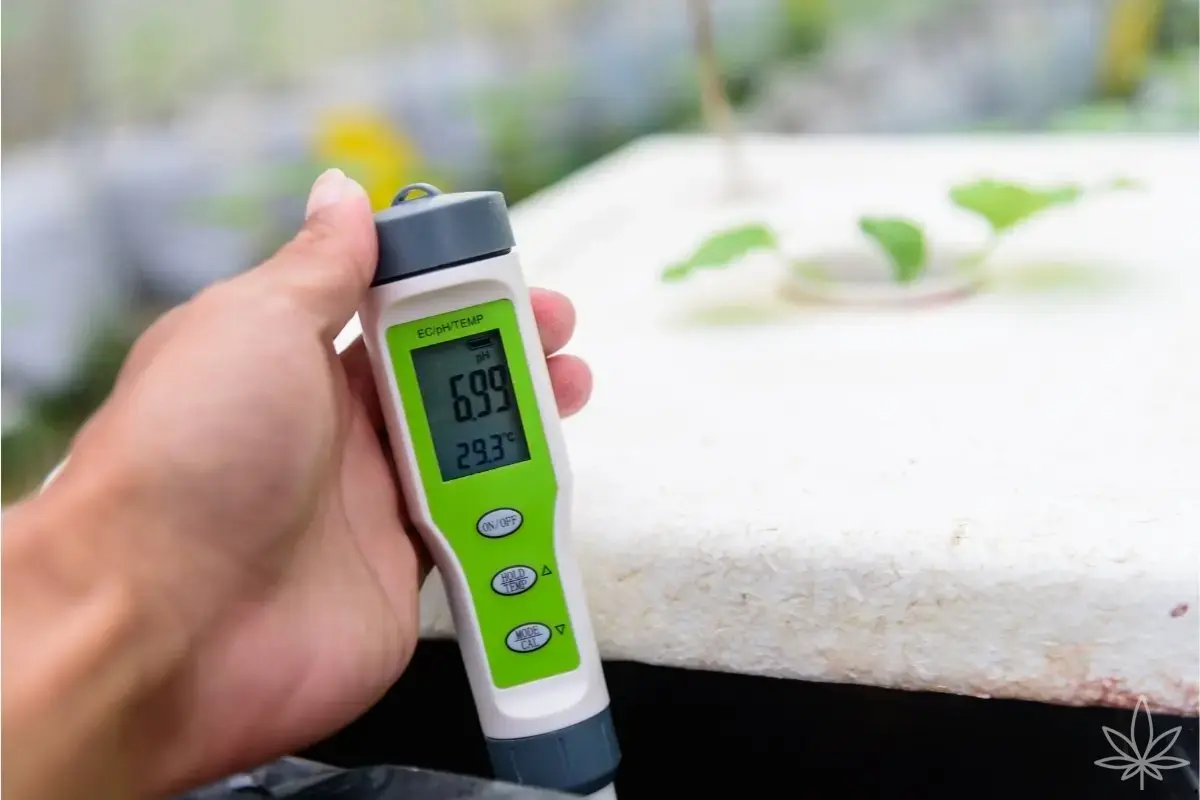
- last 7–10 days — gentle watering, no boosters
Useful additives include:
- humic acids
- amino acids
- molasses or carbohydrates (careful not to overload)
A full set of good organic-mineral nutrients costs 50–90 EUR per cycle.
5. Defoliation and training — light up what needs to smell
Terpenes are produced mainly in trichomes on the buds. If they’re shaded — they make less.
- Moderate defoliation in week 3 and week 6 of flowering is the golden standard.
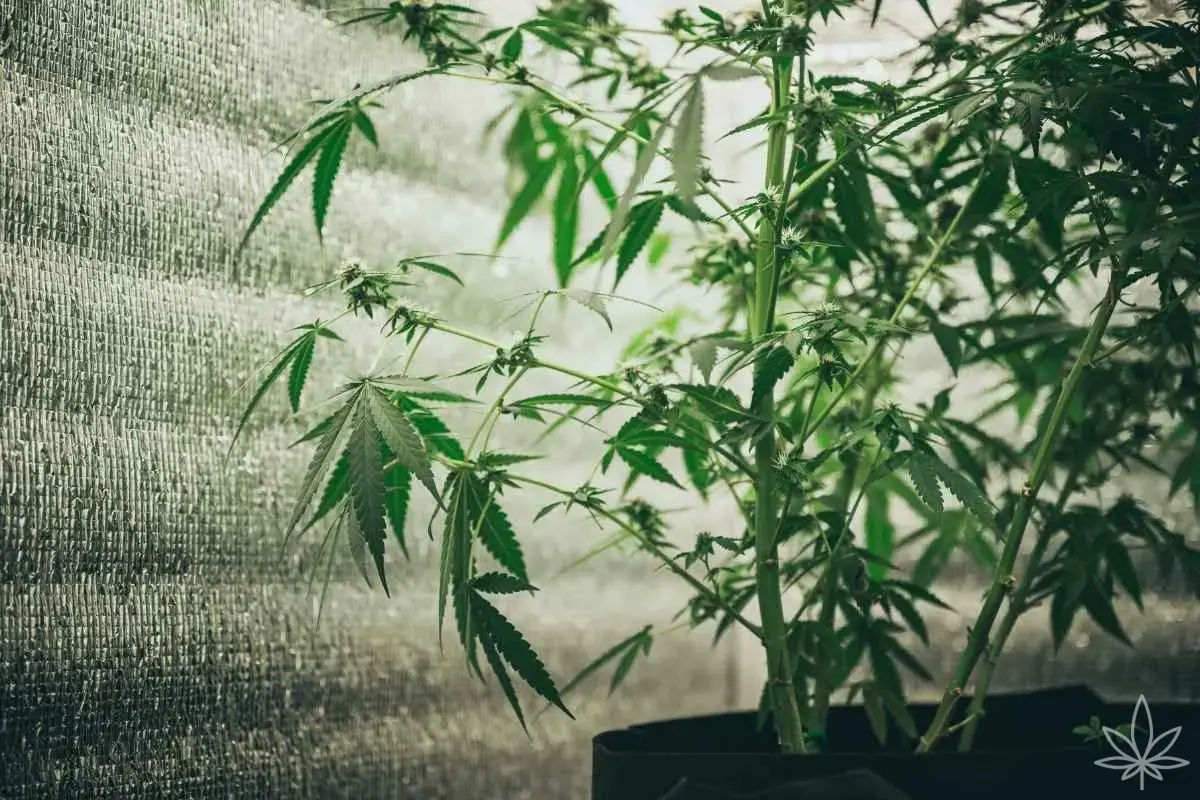
- LST (Low Stress Training) helps light reach every budsite without stressing the plant.
- HST (such as topping) works, but with autos you can overdo it.
The goal is a flat canopy and maximum light penetration to every top.
6. Drying and curing — the most important stage everyone hates
This is where you either win or lose your aroma.
Drying:
- 18–20°C,
- 50–55% humidity,
- minimum 7–10 days.
Curing:
- Glass jars filled up to 70%.
- Burping 2–3 times a day during the first week.
- Minimum 3–4 weeks, ideally 6–8.
If you follow these steps properly, the terpene profile doesn’t just stay intact — it becomes activated.
7. Storage — preserving flavor for months
Terpenes break down under:
- light,
- heat,
- air exposure.
So store cured buds:
- in glass jars,
- at 16–20°C,
- in total darkness.
Mylar bags are fine for short transport, but not long-term storage.
The terpene profile is the new currency in the cannabis world. An 18% THC strain can hit harder than a “27%” one if its aroma is rich, layered and well-preserved. And you have real control over this outcome at every stage — from seed selection, through lighting and climate, all the way to curing.
If you follow this guide, I guarantee your buds won’t just smell stronger — they’ll smell professional. And that’s something you can taste in every puff.