- Manolo MJF

- 16-May-2026
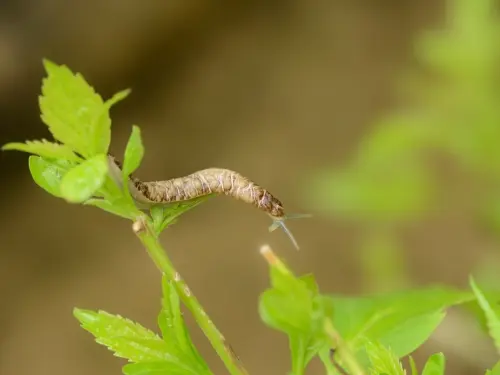
Slugs on outdoor cannabis can eat young seedlings in one night. Check how to recognise the problem, when they attack and how to protect plants after rain.
- Manolo MJF
- 06-Jan-2026
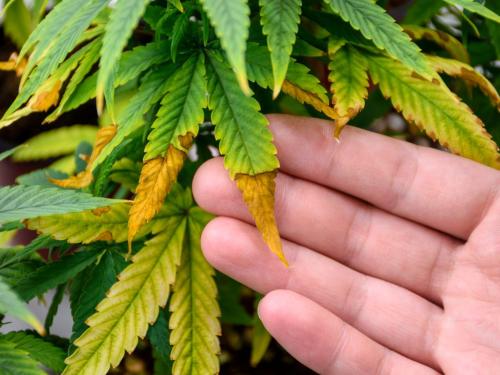
False nutrient deficiencies are a common mistake in cannabis cultivation. Learn what nutrient lockout really is, how pH, VPD, and temperature imitate deficiencies, and why adding fertilizer often makes the problem worse.
- Manolo MJF
- 03-Jan-2026
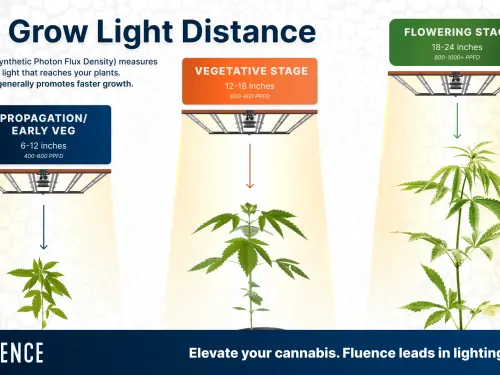
LED grow lights expose every mistake in cannabis cultivation. Learn what PPFD and VPD really mean, why LEDs cause stress and false deficiencies, and why old HPS feeding routines no longer work.
- Manolo MJF
- 27-Dec-2025
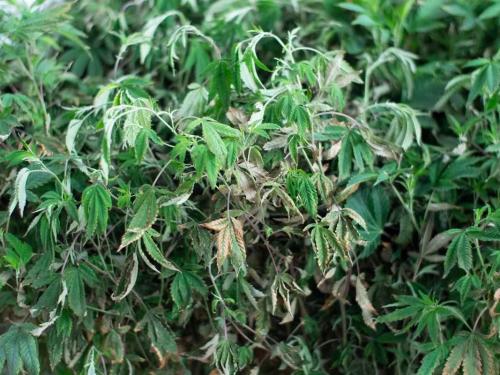
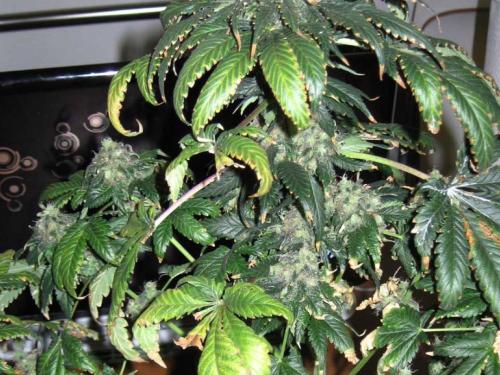
Plant not drinking despite wet soil? Learn how transpiration, root oxygen, and LEDs cause overwatering symptoms. Understand the difference between thirst and excess water and save your grow.
- Manolo MJF
- 21-Dec-2025
Curling cannabis leaves? Learn what taco, claw, and canoe really mean. A beginner-friendly guide to telling environmental stress from nutrient issues — without ruining your grow.
- Manolo MJF
- 14-Dec-2025
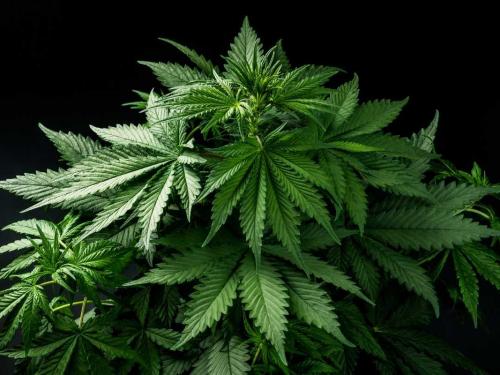
Cal-Mag in cannabis growing without myths: when it is truly needed, when it harms plants, how LEDs and VPD affect calcium and magnesium uptake.
- Manolo MJF
- 14-Dec-2025
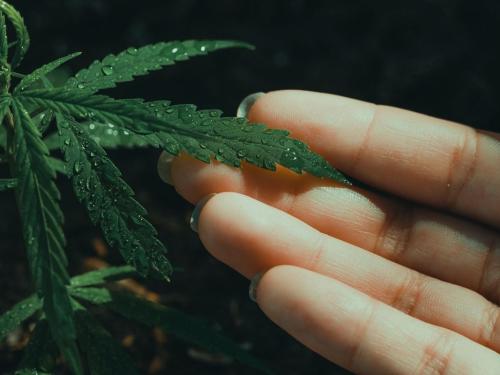
Why cannabis plants do not absorb nutrients: transpiration, roots and nutrient lockouts explained step by step, with practical diagnosis and solutions.
- Manolo MJF
- 12-Dec-2025
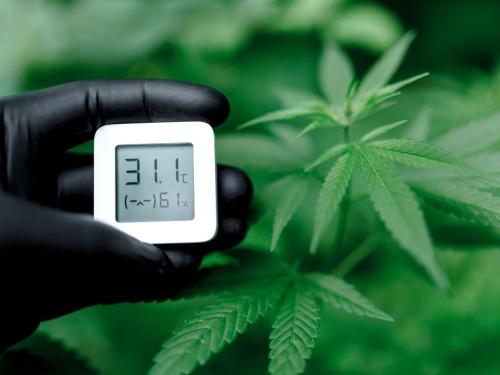
VPD in cannabis cultivation explained simply: how to measure it, correct ranges for veg and flower, a clear VPD table, and how to fix problems step by step.
- Manolo MJF
- 13-Sep-2025
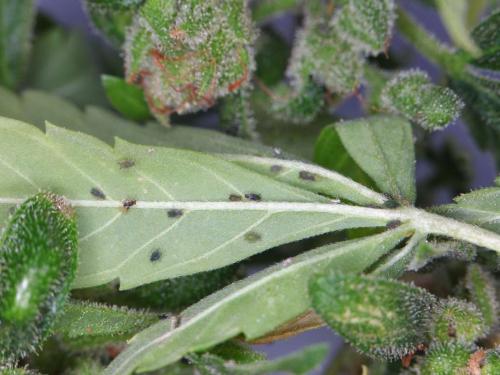
Integrated Pest Management (IPM) in home cannabis cultivation is a plan for pests before they even show up. Learn how to use product rotations (without spinosad), predatory mites and growroom hygiene, all adapted to European realities.
- Manolo MJF
- 11-Sep-2025
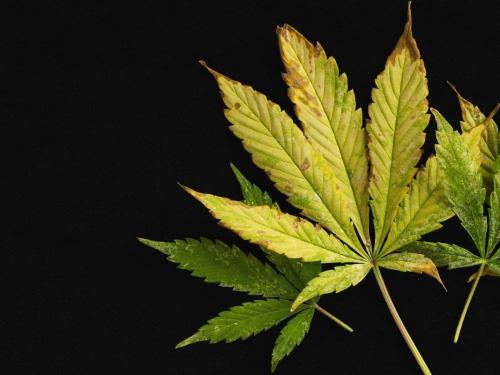
More and more growers use Cal-Mag when growing under LEDs and with filtered water. But does every plant really need it? Find out when calcium and magnesium supplementation is a lifesaver and when it can do more harm than good.
- Manolo MJF
- 05-Sep-2025
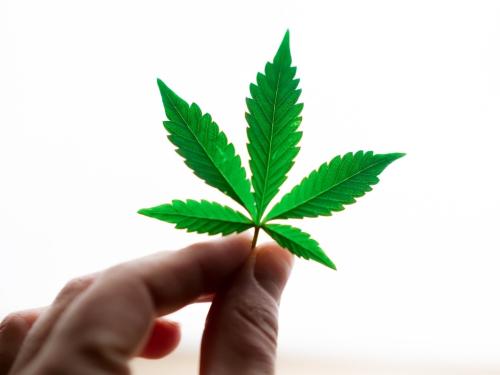
How to read cannabis leaves in coco, DWC/RDWC, aeroponics, rockwool and other media. pH/EC ranges, the most common symptoms (Ca/Mg, K, Fe…), quick fixes and “false alarms” (root oxygen, solution temperature, spray nozzles). Tables + downloadable charts.
- Manolo MJF
- 01-Sep-2025
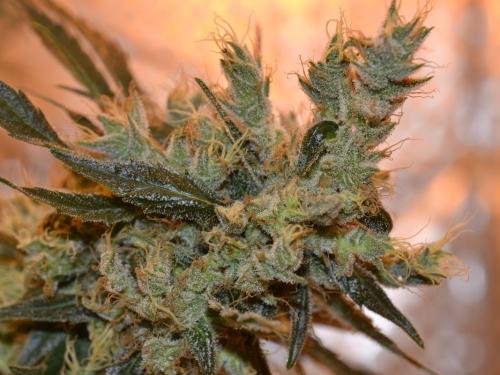
Foxtailing in cannabis: when it’s a light/heat problem vs. just the cultivar. How to stop it in 24–48 h and protect density, flavor, and resin.

We regularly drop posts here about growing marijuana. Swing by often if you're as into it as we are.
Mary Jane Farm