
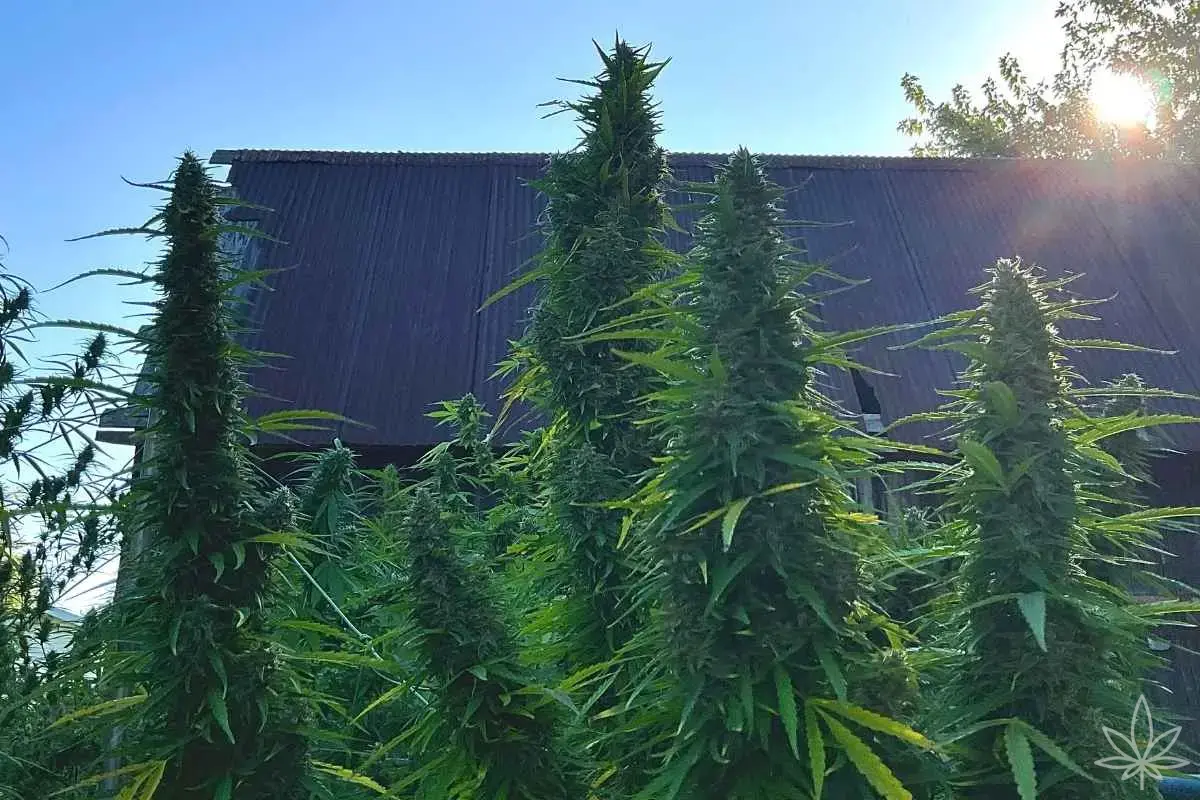
Autoflowers are like fast motorcycles — light, dynamic and instantly responsive to conditions. Some growers love them for their simplicity and speed, others ignore them because “photoperiods are better”. But the truth is that in 2025 it is autos that are having a renaissance in Europe: short summer? No problem. Small indoor grow space? Still works. Want three harvests per season? Perfect. In this guide, I’ll walk you through every aspect of growing autoflowers: genetics, life cycle, nutrients, lighting, training, common mistakes, yields and costs. Everything from the perspective of a grower who has run dozens of cycles and made every possible mistake — so you don’t have to repeat them.
Autoflower – what is this “self-flowering magic”?
Autoflowering cannabis is a type that enters the flowering phase independently of the light cycle, thanks to genetics inherited from Cannabis ruderalis. This species originates in harsh regions of Russia and Kazakhstan, where daylight shifts unpredictably and summer is short. Evolution forced a fast life cycle — and breeders have used this trait by crossing ruderalis with top-tier strains.
Modern autoflowers (2023–2025) are:
- fast (8–12 weeks from seed to harvest),
- resistant to stress, wind, cold and rain,
- compact (60–120 cm),
- perfect for small tents and balconies,
- capable of multiple harvests per season.
Today’s autoflowers have nothing in common with the “weak autos” from ten years ago. These are fully developed, high-quality plants that often rival photoperiod yields in the same amount of time.
1. The autoflower life cycle – a detailed timeline
An autoflower grows according to its own internal clock. You have a fixed number of days, and every decision matters. Below is a typical schedule for a 10–11-week cycle.
Days 1–7 – seedling
Roots explode with growth; the plant sets its tempo. Any mistake (overwatering, low light, cold soil) slows development.
Week 2–3 – vegetative growth
This is the “express veg”. The plant grows fast but hasn’t started flowering yet. Roots expand aggressively — this is why a light, airy medium and moderate watering are crucial.
Week 3–5 – early flowering and stretch
The plant transitions into flowering on its own, without switching to 12/12. In a few days it can double its height.
Week 6–10 – full flowering
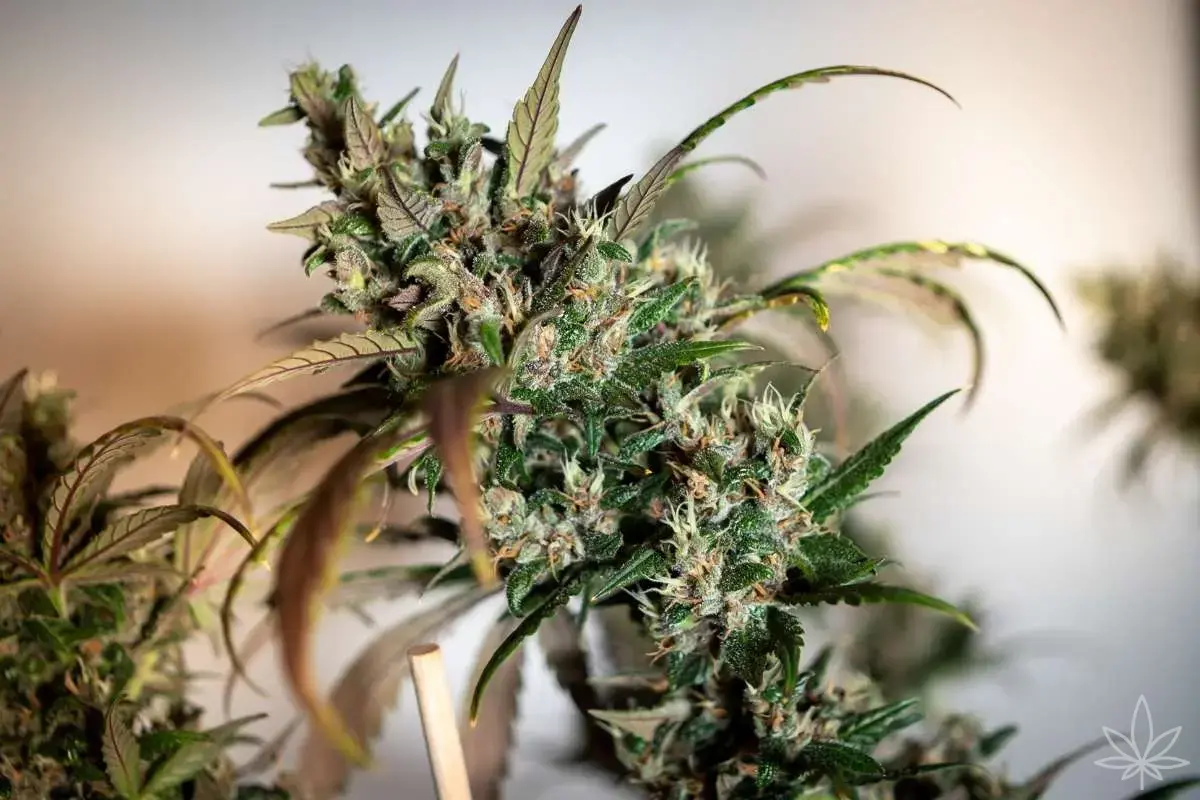
Buds build mass, trichomes multiply and the aroma strengthens. This is the critical decision period: nutrients, light intensity and humidity must be managed well.
Week 10–12 – ripening and harvest
Depending on genetics, weather and lighting, autos may mature earlier or later. Trichomes tell the truth: milky = peak potency, amber = more physical effects.
The cycle is short, so… autoflowers do not forgive mistakes, because they don’t have the time to recover.
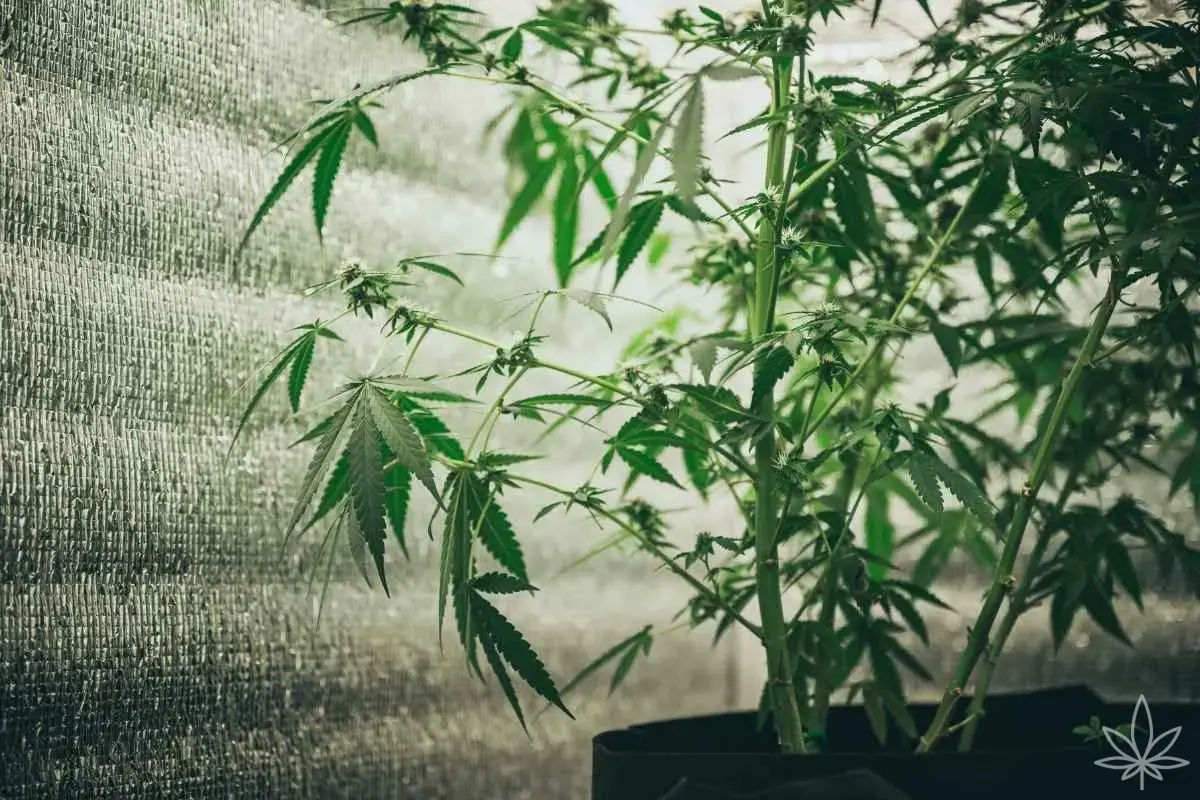
2. Lighting indoors – how many hours and how much intensity do autos need?
Light is the fuel of autoflowers. The best settings for Europe:
- 18/6 – the gold standard, perfect balance.
- 20/4 – maximum performance, slightly higher yields but higher energy cost.
- 24/0 – possible but not recommended (stressful and rarely beneficial).
Light intensity (PPFD):
- veg: 450–550 µmol/m²/s,
- flowering: 650–750 µmol/m²/s,
- high-end LED: up to 800 µmol/m²/s if the plant can handle it.
Good LED panels (240–300 W) cost 200–350 EUR and can support 2–4 autos in a 100×100 cm tent.
Fun fact: autos tolerate higher light intensities than photoperiods due to their faster metabolism.
3. Training autoflowers – gentle, precise and early
Autos can be trained, but the key is to do it carefully and early.
Best techniques:
LST (Low Stress Training)
Mandatory.
Bending the main stem, opening the plant to the light, arranging side branches at a horizontal angle. Best done between days 10 and 18.
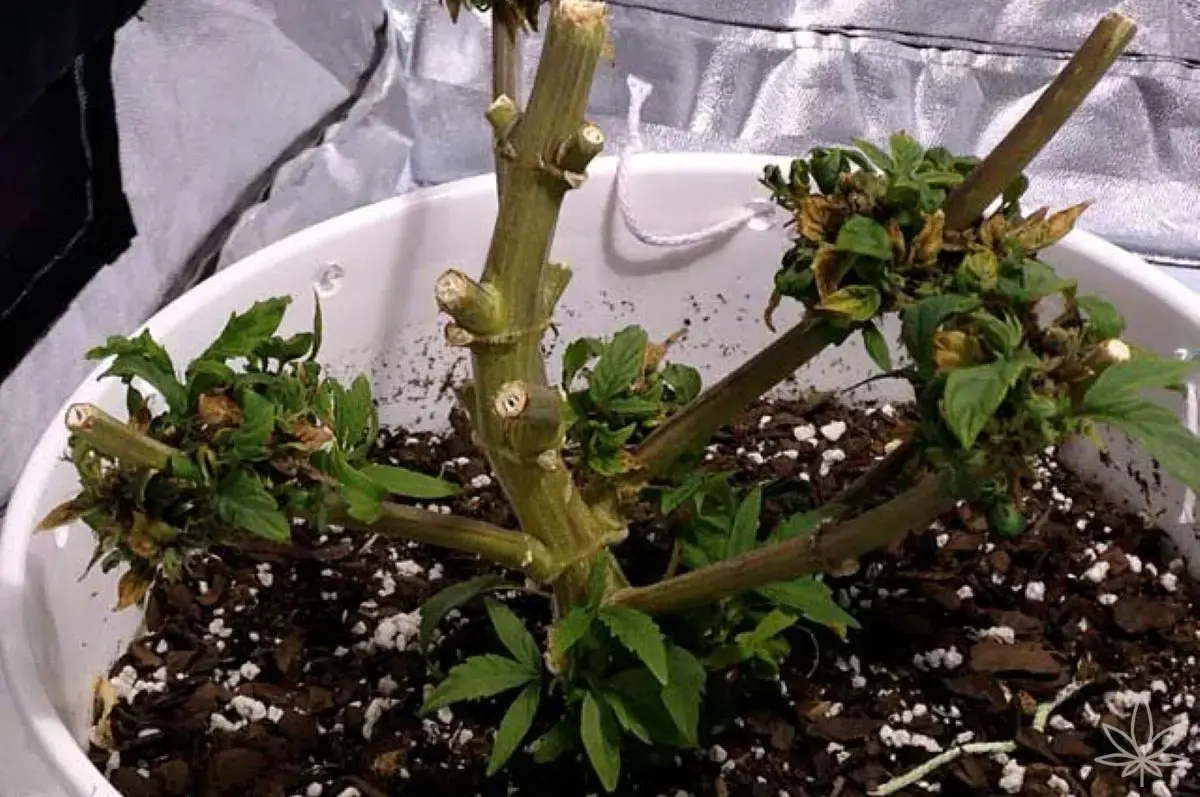
Topping?
Possible but risky.
Must be done before day 14, and only on strong, fast-growing strains. For beginners? Better avoid.
Defoliation
Be extremely cautious.
Small autos can “shut down” if you remove too many leaves. Take only the ones blocking key bud sites.
4. Nutrients – how to feed autos without hurting them
The most common mistake growers make: overfeeding. Autoflowers need less because:
- their vegetative period is short,
- they switch to flowering quickly,
- they are sensitive to nitrogen excess.
Recommendations:
- Start at 50% of the manufacturer’s dosage.
- Nitrogen only moderately until week 3, then reduce it.
- Increase phosphorus and potassium slowly and steadily.
- Keep EC at 1.2–1.6 for most autoflowers.
Full nutrients for one cycle cost 40–70 EUR.
Organic nutrients are the most beginner-friendly.
5. Soil, pots and watering
Autos thrive when roots have a light, breathable substrate with plenty of oxygen.
Soil mixes:
Best compositions:
- 70% light soil + 30% perlite,
- or 60% coco + 40% soil,
- pH: 6.2–6.5.
Pots:
- optimal size: 11–15 L,
- fabric pots/air-pots give a noticeable boost,
- do not transplant! Rule: seed → final pot.
Watering:
- small amounts but frequent,
- do not overwater in the first 14 days — it destroys root development,
- best method: ring-watering from the edges inward.
6. Autoflowers outdoors — this is where the magic really happens
Europe is an excellent region for autos. Even in countries with short summers (Poland, Germany, Austria, Lithuania, Denmark), you can harvest 2–3 times per season.
Outdoor sowing schedule:
- Cycle 1: late April – May
- Cycle 2: June – July
- Cycle 3: August (micro-harvest)
Outdoor tolerance:
Autoflowers handle:
- wind,
- rain,
- cool spring nights (down to 10–12°C),
- large day–night temperature swings.
Outdoor autos grow larger than indoor ones — usually 70–120 cm, thanks to more root space and natural sunlight.
7. Mistakes that ruin autoflower yields
1. Overwatering
Flooding the plant during the first two weeks is the number-one cause of stunted growth.
2. Excess nitrogen
Autos hate nitrogen during flowering — it kills flavour and terpene expression.
3. Training too late (after day 20)
The plant stops reacting and may stall completely.
4. Pot too small
5–7 L pots severely limit root mass — yields drop 40–60%.
5. Weak lighting
Autos need around 700 µmol/m²/s in peak flowering for best results.
8. Yields – what you actually get in the real world
No marketing fiction — real numbers.
Indoor (240–300 W LED):
- standard: 50–120 g per plant
- intermediate grower: 120–150 g
- high-end LED + LST: 150–200 g
Outdoor:
- typical yield: 80–150 g per plant
- good season: 180–220 g
- exceptional results: 250 g+
A realistic yearly grower summary:
- indoor: 4 cycles at 250–350 g each,
- outdoor: 2 cycles at 150–250 g each.
Total: 800–1200 g per year with small space and low cost.
9. Autoflower grow costs – detailed breakdown
For 3 autos indoors:
| Item | Cost |
|---|---|
| Seeds (3 pcs) | 20–40 EUR |
| LED 240–300 W (per cycle) | 120–150 EUR |
| Nutrients | 40–70 EUR |
| Soil + pots | 15–25 EUR |
| Ventilation | 20–40 EUR |
Total: 195–325 EUR
With a yield of 250–350 g, cost per gram is 0.55–1.30 EUR.
For a home grow, that’s phenomenal value.
Conclusion
Autoflowering is the simplest, fastest and most problem-free cultivation method for European growers — whether in a tent or a backyard garden. These plants combine speed, resilience and predictability, offering surprisingly generous yields. The key is understanding their shortened cycle, being patient in the first weeks, training gently and feeding lightly. If you follow the principles in this guide, autoflowers will reward you with jars full of fragrant buds — faster than you expect.



&media=https://maryjane.farm/storage/news/471e5ecb-6c6b-4c25-beea-b0c1d49a8eec.webp)