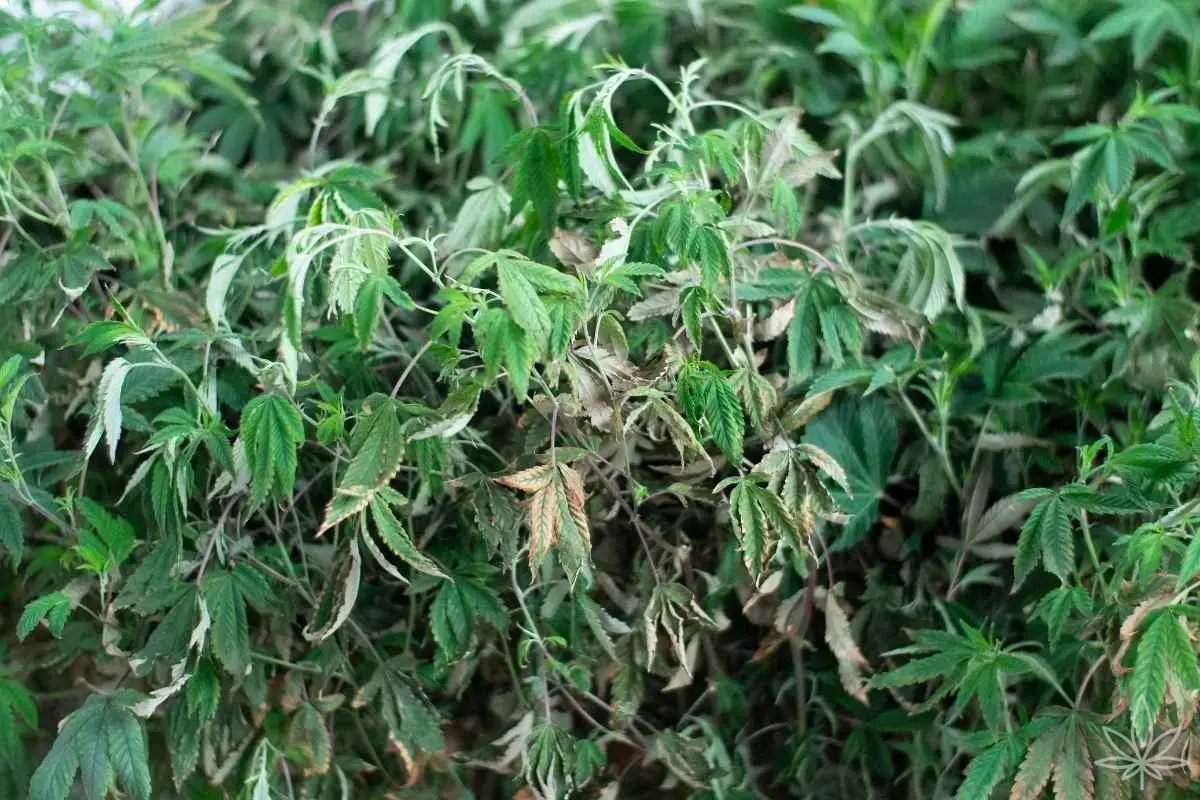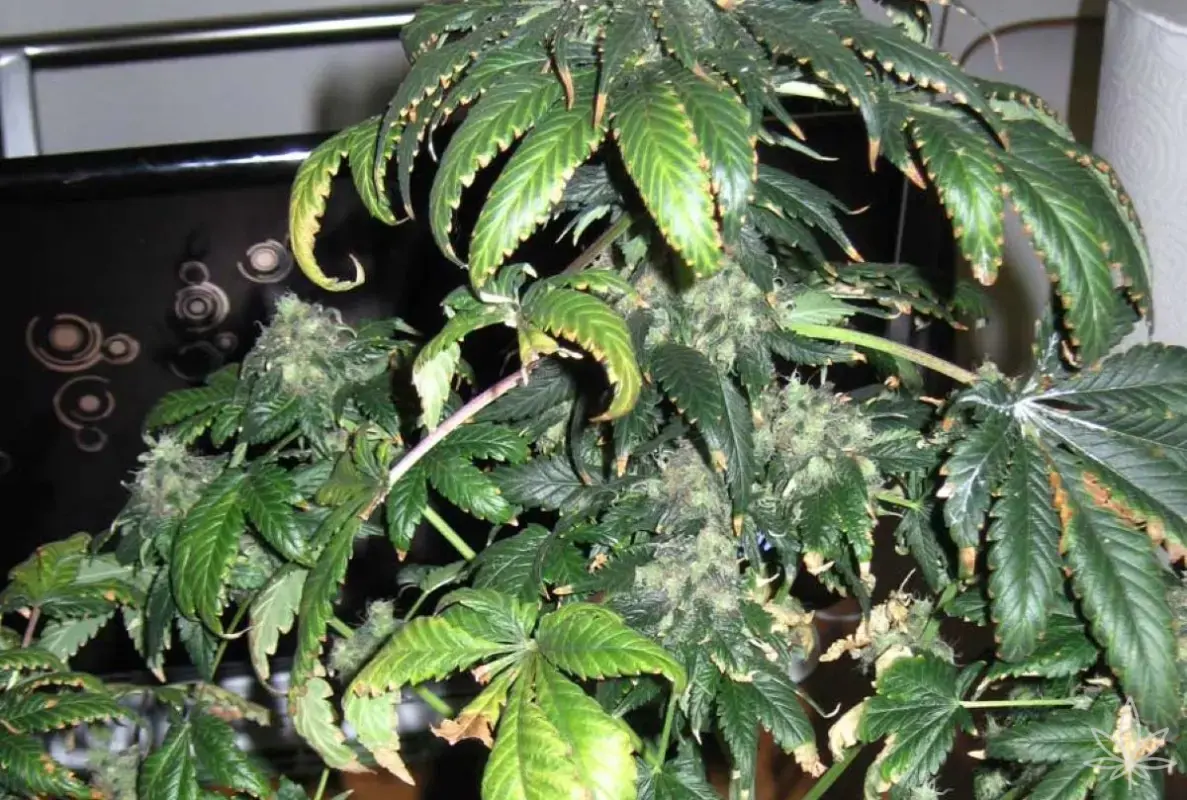
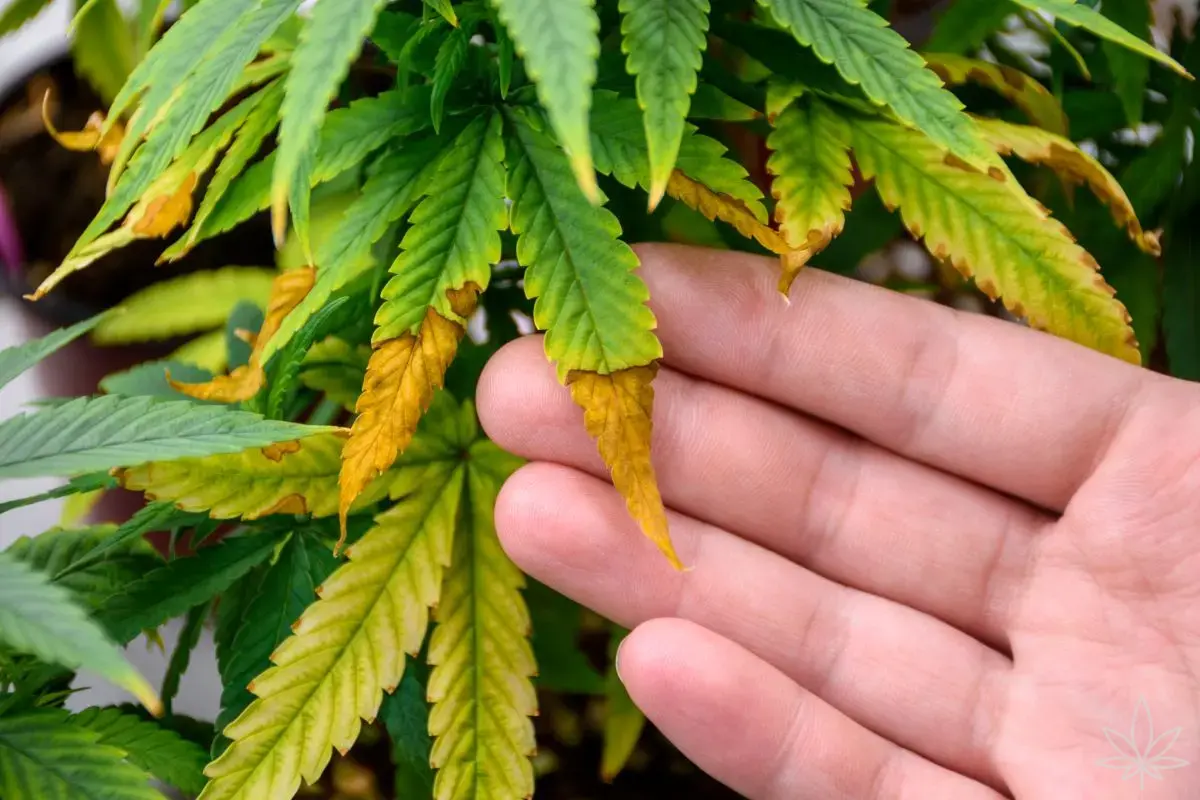
Every grower knows this moment. A small spot appears on a leaf, slight interveinal lightening, maybe a burnt edge – and instantly the thought pops up: “Something is missing.” Magnesium? Nitrogen? Potassium? The internet is quick to deliver ready-made diagnoses. The problem is that in a huge number of cases… nothing is missing at all. It’s not a deficiency – it’s nutrient lockout, a situation where the plant has nutrients available but is physiologically unable to absorb them. This article explains how these problems arise, why adding more fertilizer usually makes things worse, and when you should actually react – and when it’s best to leave the plant alone.
What nutrient lockout really is
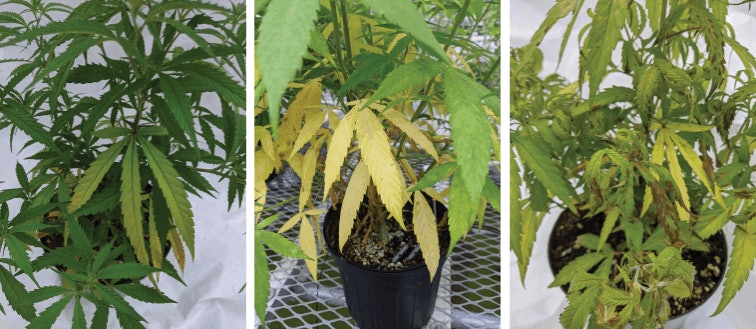

Nutrient lockout is not a mysterious disease or some genetic flaw. It’s basic chemistry and plant physiology. Nutrients can be present in soil, coco, or hydro in perfect ratios, but if conditions in the root zone are off, the plant simply cannot take them in.
The most common causes of lockout are:
- incorrect pH,
- disturbed VPD (the relationship between temperature and humidity),
- root temperatures that are too low or too high,
- substrate salinity caused by overfeeding,
- oxygen-starved roots.
The symptoms look exactly like classic deficiencies: chlorosis, necrotic spots, leaf deformation. The difference is not in the leaf – it’s in the cause, which you can’t see at first glance.
pH – the most common cause of “false deficiencies”
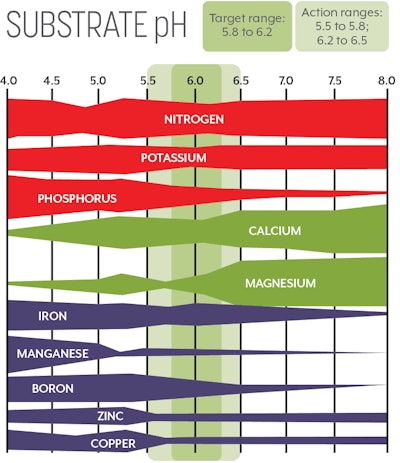
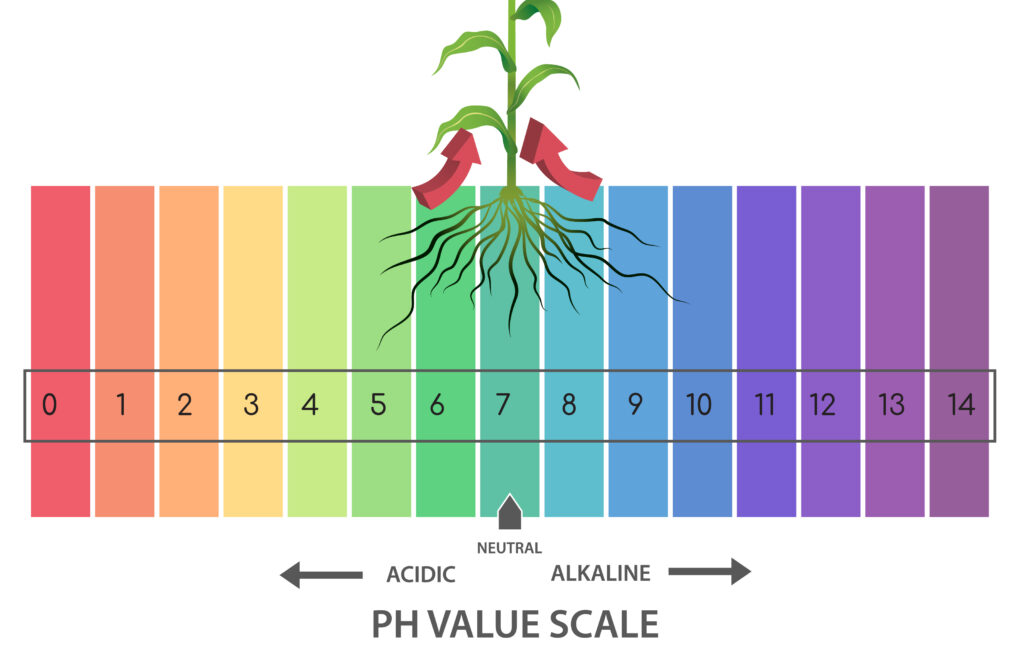
If I had to point to one parameter responsible for the majority of grower problems, it would be pH. When pH drifts too low or too high, certain nutrients become chemically unavailable, even though they are physically present in the medium.
Real-life examples:
- calcium and magnesium “disappear” at low pH in coco,
- phosphorus locks out in cold root zones combined with poor pH,
- iron can show deficiency symptoms even in fresh, nutrient-rich soil.
The grower sees spots → adds Cal-Mag → raises EC → increases salinity → lockout becomes even worse. And the cycle continues.
VPD and temperature – when the leaf says “I can’t”

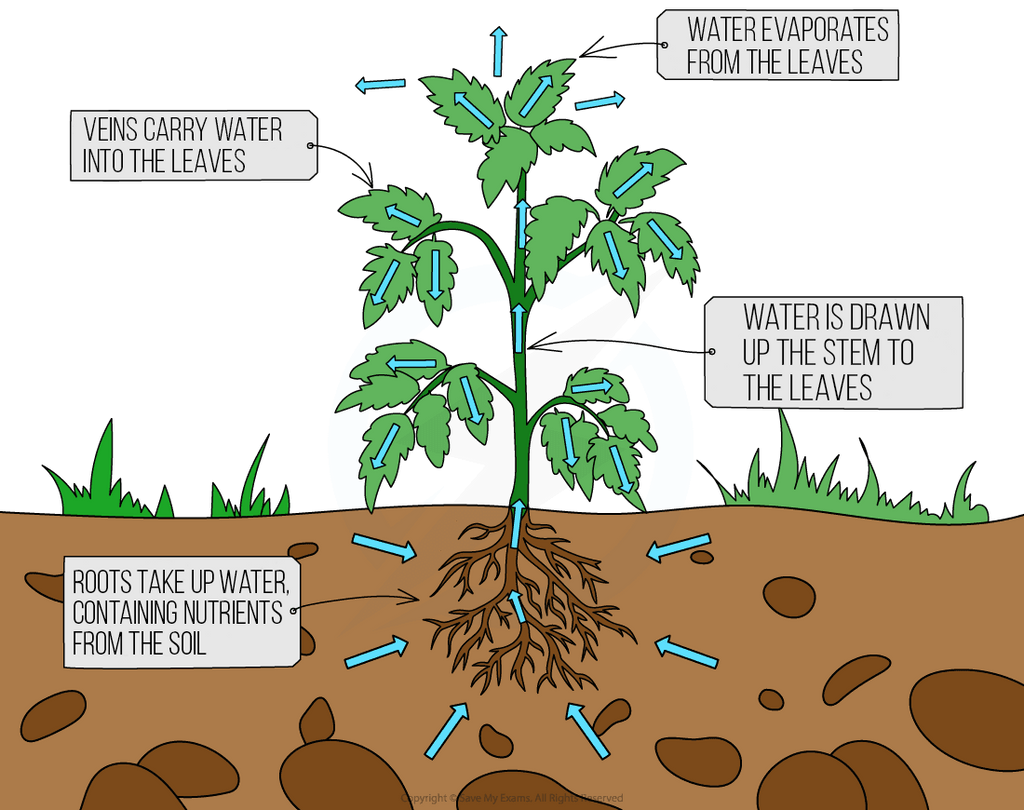
Plants absorb nutrients together with water. That means transpiration has to work properly. If:
- the air is too dry,
- temperatures are too high,
- leaves are pushed hard under strong LEDs,
the plant closes its stomata to protect itself. As a result, nutrient uptake drops, even if the root system is sitting in a perfectly balanced feed solution.
That’s why under modern LED lighting you so often see “deficiency” symptoms that simply disappear after correcting humidity or temperature – without changing the feeding schedule at all.
Why adding more fertilizer almost always makes things worse
This is the critical point. The biggest mistake growers make is reacting emotionally:
“If the leaf looks deficient, I need to add more.”
In reality:
- you raise EC,
- you increase salinity,
- you make osmosis harder for the roots,
- you deepen the lockout.
The plant receives even more of what it cannot absorb. It’s like pouring more fuel into an engine with a clogged filter – it won’t run, and you’ll just make a mess.
True deficiency vs physiological inability to absorb
How do you tell the difference? It’s not guesswork – it’s logical observation.
A true deficiency:
- develops gradually,
- affects specific parts of the plant (older or newer leaves),
- responds positively to a small, controlled adjustment in feeding.
A false deficiency (lockout):
- appears suddenly,
- often involves multiple nutrients at once,
- worsens despite increased feeding,
- improves after correcting pH, VPD, or temperature.
If symptoms get worse after feeding more – it was almost certainly not a real deficiency.
When to react – and when to leave it alone
Experience teaches one simple rule: not every spot requires action.
React when:
- pH is clearly out of range,
- EC is genuinely too low,
- symptoms progress steadily.
Leave it alone when:
- environmental conditions were recently changed,
- symptoms are mild and stable,
- the plant is still growing, drinking, and breathing normally.
Sometimes the best “nutrient” you can give is stability and a few days of patience.
A grower’s summary for growers
Most nutrient problems in indoor grows don’t come from poor feeding, but from poor conditions. A plant is not a container you keep topping up until it stops complaining. It’s a living organism responding to its environment. Before reaching for another bottle, check pH, temperature, humidity, and EC. In many cases, the “deficiency you see” simply doesn’t exist – and you’re the one unknowingly trying to create it.