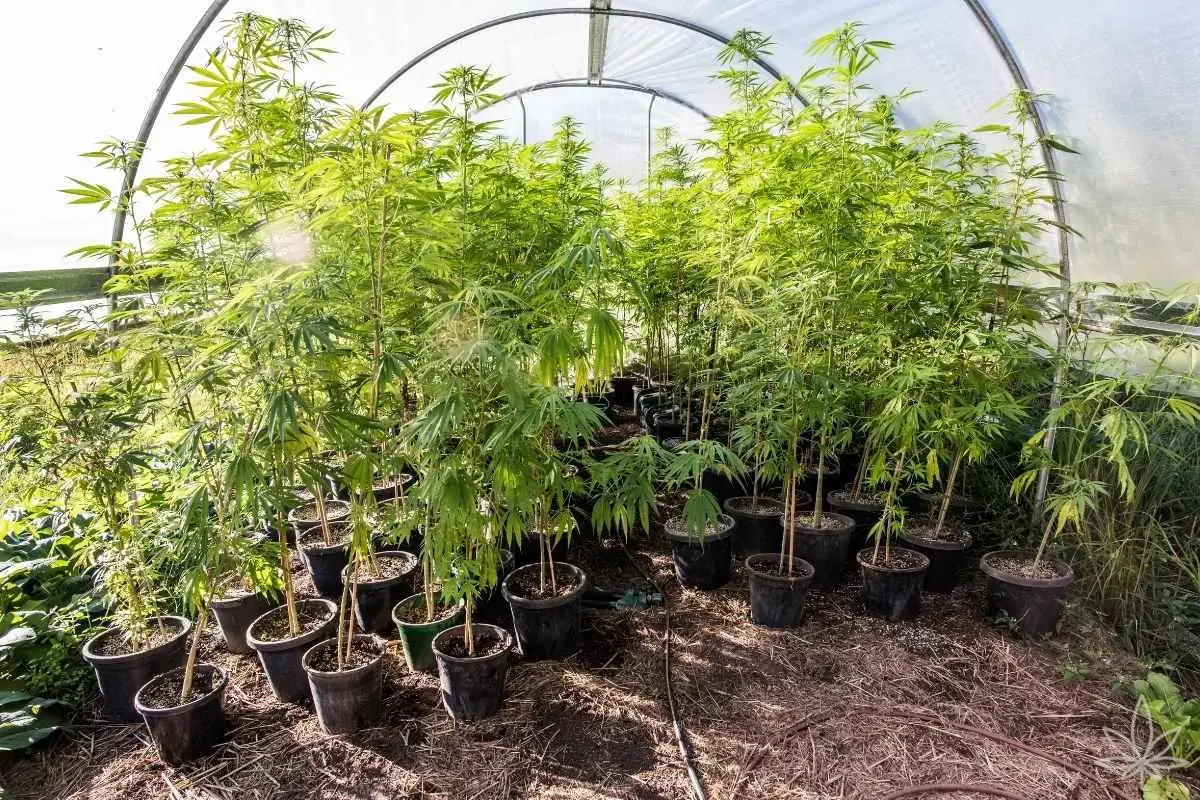
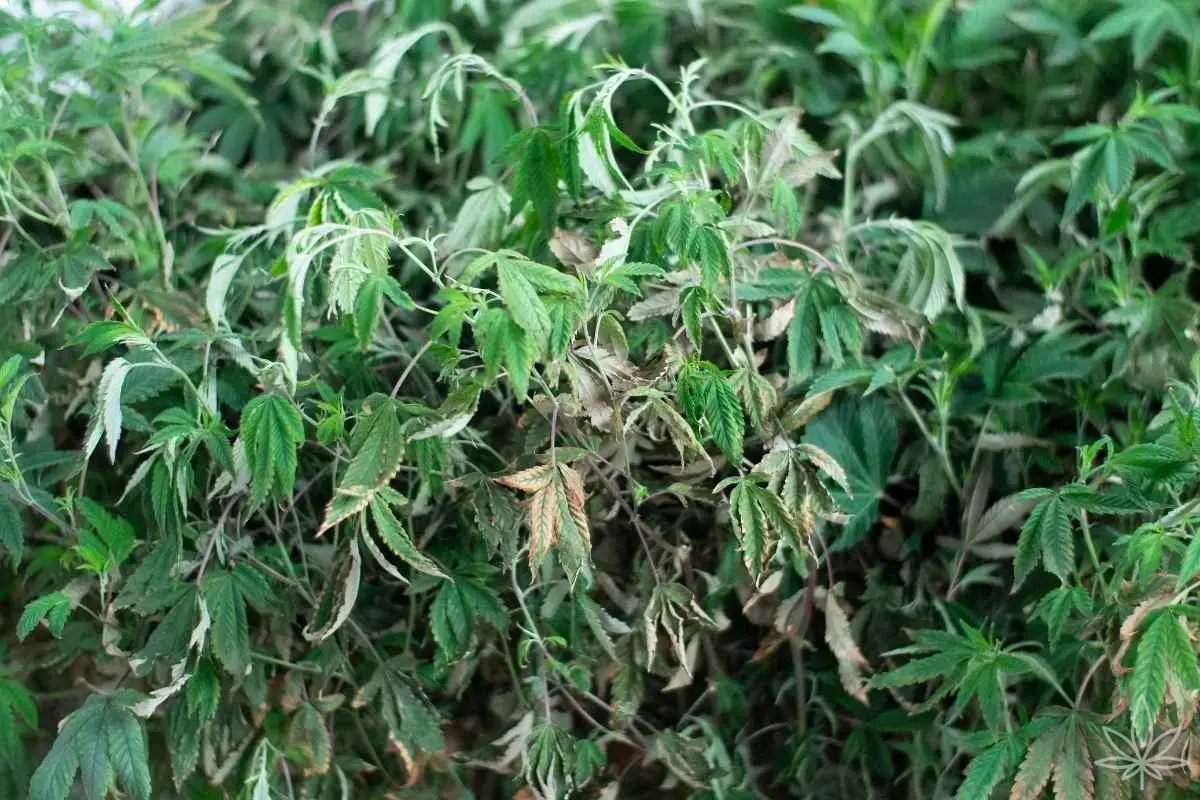
It’s one of the most frustrating moments in a home grow. The medium is moist, the pot feels heavy, and the leaves… are hanging. Your intuition says: “not enough water.” Forums shout: “water more.” And the plant, instead of bouncing back, looks worse with every attempt to help. This article explains why wet soil does not mean the plant is drinking, and why in modern grows it’s often excess water that quietly destroys yield.
The illusion that traps almost everyone
A beginner grower looks at the surface of the pot as if it were a health gauge. Dry — water. Wet — don’t water. The problem is that the plant doesn’t drink from the surface. It drinks through the roots, and more precisely through fine root hairs located in a zone where water must coexist with oxygen.
When that balance is missing, a paradox appears: there is plenty of water, yet the plant behaves as if it were dying of thirst. This is the biggest illusion beginners fall for — and the starting point of a spiral of mistakes.
Water without oxygen is a problem, not a solution
A root is not a pipe. It is a living organ that breathes. When the medium stays constantly wet, the pores fill with water and oxygen disappears. In that state, roots not only stop absorbing water and nutrients — they begin to suffocate. Metabolism slows down, fine root hairs die off, and the plant loses the ability to respond to anything you give it.
This is where mistake number two shows up: the grower sees no improvement and adds more nutrients, assuming “if it has water, it must be hungry.” In reality, the plant is shut down — it’s not drinking, not eating, not breathing.
Transpiration — the forgotten engine of the grow
To understand why a plant isn’t drinking, you have to look beyond the pot and up to the leaves. Water uptake doesn’t start in the roots. It starts in the leaves, through transpiration, the process of evaporating water into the air.
If the air is too humid or too cool, transpiration slows. The plant doesn’t “pull” water from the roots because it has nowhere to release it. It’s like trying to drink through a straw while someone blocks the other end.
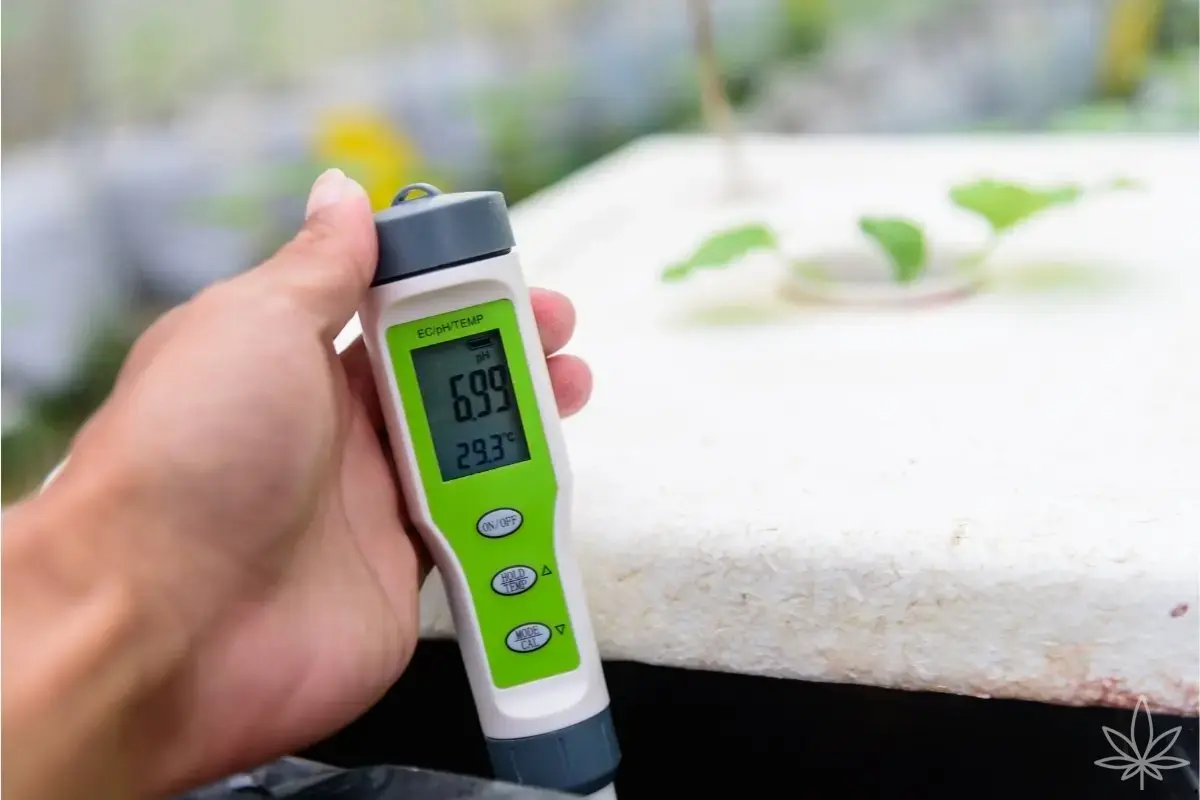
That’s why modern grows so often reach a point where everything looks correct “on paper”: pH is right, nutrients are right, water is fine — and yet the plant stalls.
LEDs and the silent sabotage of watering
Older lighting systems heated the air. Modern LED fixtures deliver intense light while keeping room temperatures lower. The side effect? The medium dries much more slowly, and growers — used to an old rhythm — water too often.
There’s another trap here. Under LEDs, the leaf itself can heat up while the surrounding air stays cool and humid. Transpiration struggles, the roots sit in wet medium, and the plant enters a state of physiological lockout. Not because you took something away — but because you gave too much.
When wilting does not mean thirst
This is mentally difficult but absolutely crucial: wilting from overwatering looks very similar to wilting from lack of water. The difference lies in timing and response.
A thirsty plant reacts quickly. After watering, leaves lift within hours. An overwatered plant reacts the opposite way: after another watering, it looks worse. Leaves feel heavy, growth stalls. If adding water doesn’t improve things, it’s almost always a sign that water is not what’s missing.
The pot matters more than you think
A plastic pot holds moisture. A fabric pot breathes. Small volumes flood quickly; large volumes dry slowly. These are not minor details — they are the foundation of water management.
Many “not drinking” problems disappear on their own once roots gain better access to oxygen. Sometimes you don’t need new nutrients at all — you need to change the container or allow the medium to truly dry, not just on the surface but throughout the entire root zone.
Why nutrients don’t work at that point
Nutrients only work when the plant is drinking. If transpiration has stalled and the roots are suffocating, you can have perfect ratios in the soil — and still see zero response. That’s why so many “deficiencies” vanish on their own once environmental conditions improve.
Adding more products when the plant isn’t drinking is like serving food to someone who can’t swallow. The intention is good; the result is the opposite.
The hardest decision: doing nothing
For a beginner grower this feels like heresy, but sometimes the best move is to put the watering can down and give the plant time. Let the medium release water, let the roots get oxygen, let the leaves return to normal function.
Experience teaches one thing clearly: plants die more often from overcare than from brief neglect. And a plant that “isn’t drinking” is almost always asking for air — not another dose of water.
If you remember just one thing from this article, let it be this: wet soil does not mean the plant is drinking. Water uptake begins in the leaves, depends on the air, and ends in roots that must be able to breathe. Understanding this relationship saves weeks of frustration, money wasted on unnecessary additives, and — most importantly — the health of your plants.