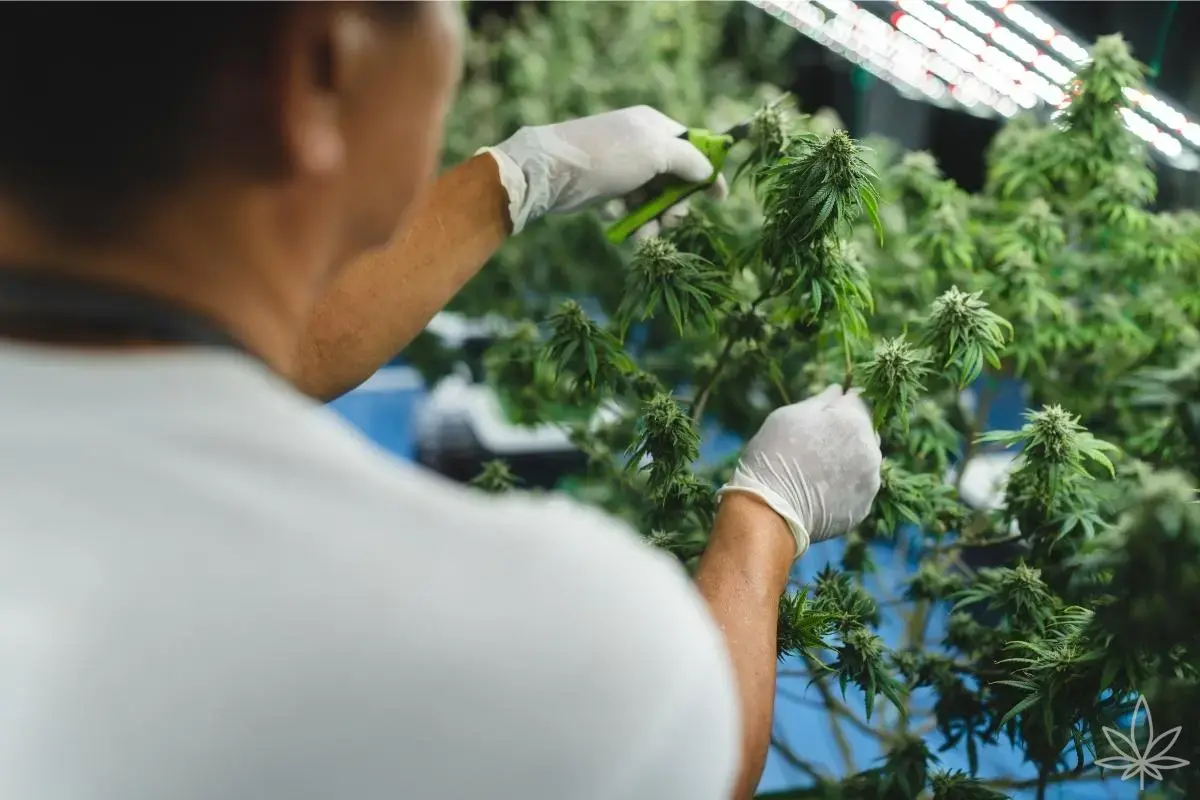
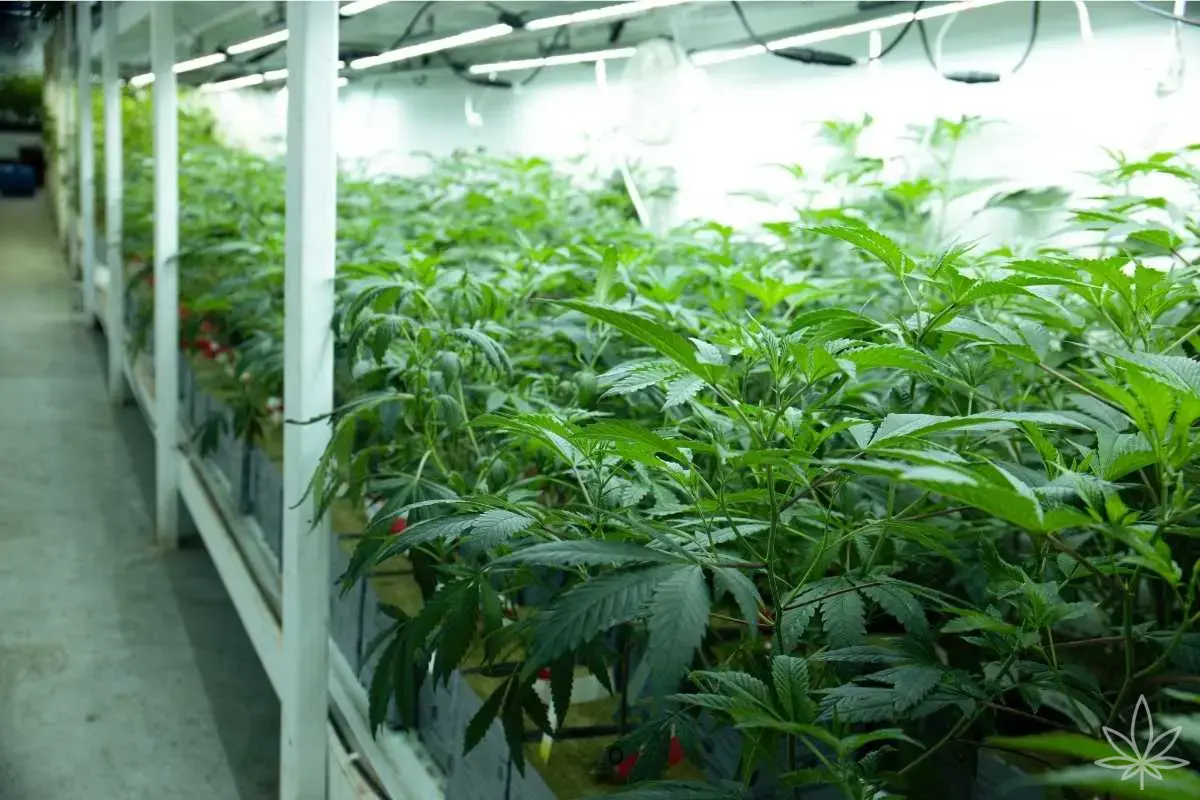
Back in the day, a grower had to carry everything in their head like a NASA mission planner — watering schedules, humidity, airflow, light cycles, EC, pH and at least five other parameters. Today, technology does a growing chunk of that work for us, and an “autonomous grow” is no longer a scene from a futuristic movie but a real option for everyday home cultivators. The year 2025 brought a real revolution — from automatic irrigation systems costing 60–120 EUR, to smart ventilation and light control via mobile apps, all the way to setups that mix nutrients on their own, collect data and decide when and how to feed the plants. In this article I’ll walk you through the entire world of smart growing — what truly works, what is just a gimmick, and how to build a setup that takes 70% of the workload off your shoulders while still giving you full control over your grow.
Autonomous Grows — How Technology Replaces Grower Labor
We all know smart-home tech: intelligent lighting, motion sensors, automated blinds, thermostats. The exact same transformation is happening in growing — only faster, more aggressively and with far greater benefits. For plants, technology isn’t a gadget but a tool to stabilize the climate, and a stable climate = bigger yields.
In 2025 an autonomous grow is no longer just a pump + timer. It’s a whole ecosystem of devices that:
- water the plants automatically,
- control temperature and humidity,
- measure EC and pH in real time,
- manage exhaust fans and airflow,
- regulate lighting,
- track growth history,
- send push alerts when something goes wrong.
Where is this heading? Toward “hands-off growing,” where you tap your phone more often than you hold a watering can. But let’s go step by step.
1. Smart Irrigation Systems — From Simple Timers to Autonomous EC/pH Modules
A few years ago, “automatic watering” meant: a pump, a hose, some drippers and a hardware-store timer. It worked… until the first failure. In 2025 smart irrigation systems are far more advanced and do half of the grower’s work for you.
How do modern systems work?
Today’s automated modules can:
- mix nutrient solution based on EC/pH,
- dose water according to a schedule or substrate moisture,
- pull data from multiple sensors,
- block watering if the system detects risk of overwatering.
Most popular systems include:
- smart drippers (60–120 EUR),
- soil moisture sensor controllers (40–70 EUR),
- compact hydro modules for small tents (100–180 EUR).
Pro gear? Absolutely.
Where do they shine the most?
- SOG setups where hand-watering is torture,
- multi-layer grows,
- coco and hydro grows,
- for growers who spend long hours outside the home.
These systems prevent both overwatering and underwatering — the two biggest beginner mistakes.
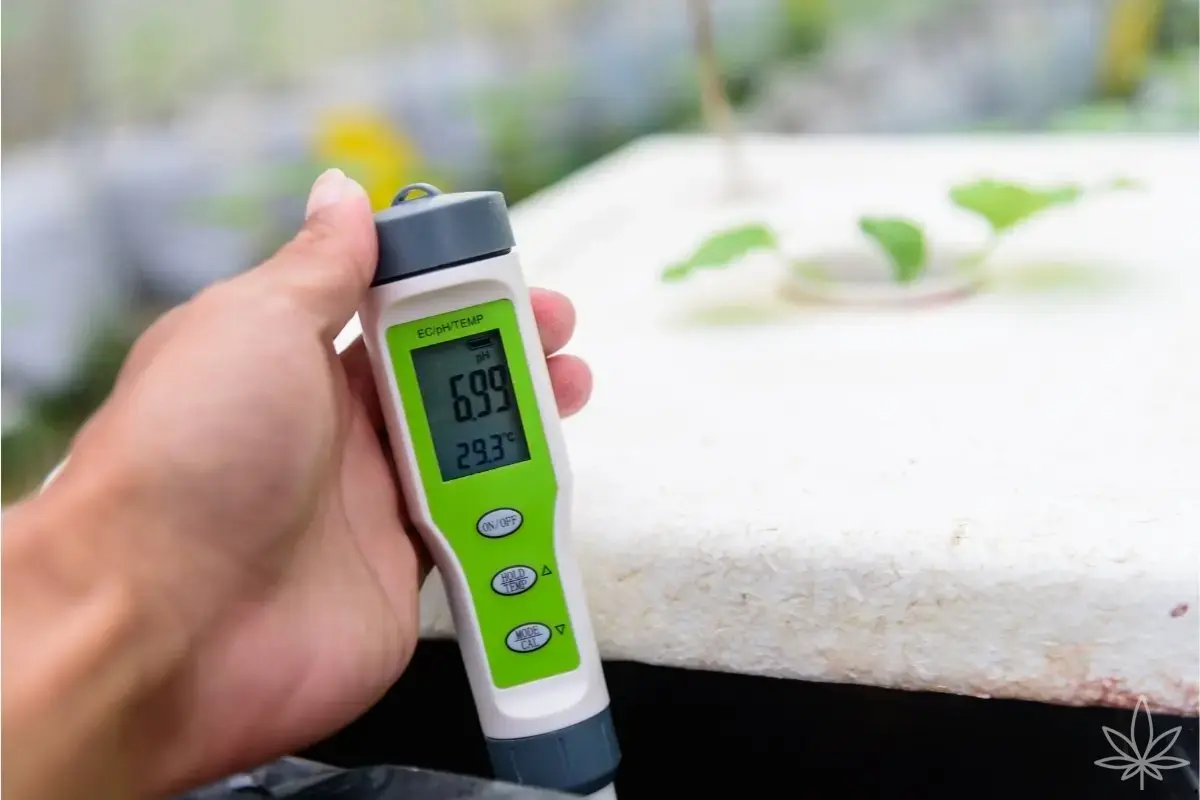
2. EC/pH Sensors — A Mini Laboratory Inside Your Growroom
The biggest technological leap in 2025 is the new generation of EC/pH sensors that:
- monitor nutrient levels 24/7,
- adjust pH automatically,
- analyze runoff and compare results with your feeding schedule,
- send alerts if plants take up more or fewer nutrients than expected.
In 2020 those systems cost 400–800 EUR. Today, reliable units cost 120–250 EUR.
Why does a grower need such sensors?
Because most plant problems start exactly with EC/pH:
- nutrient lockout,
- deficiencies,
- excesses,
- fertilizer toxicity.
A system that self-corrects pH is a lifesaver — especially in hydro, where a pH swing = disaster.
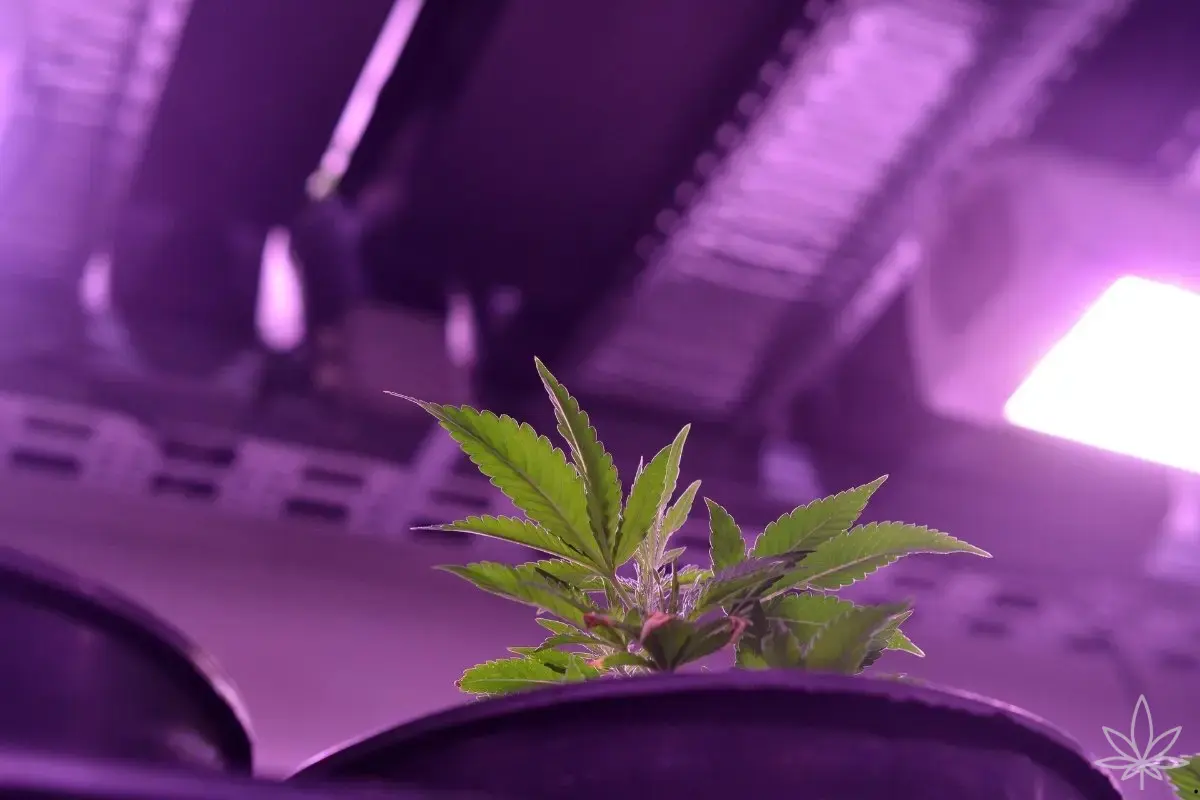
3. Smart LEDs — Lights That Remember More Than You Do
Modern LED panels are no longer just lights. They have:
- app-based scheduling,
- spectrum control,
- seedling/veg/flower presets,
- automated dimming,
- time and power consumption analytics.
A good smart LED panel costs 200–400 EUR. But the features are game-changing because plants get ideal light at every stage.
Typical abilities include:
- automatic transition from 18/6 to 12/12,
- gradual sunrise and sunset effects,
- auto-dimming when temperatures rise too high.
This is the kind of consistency you’ll never achieve manually.
4. Algorithm-Controlled Ventilation — No More “Set It to 4 and Hope”
AI-controlled ventilation is a rising trend, and the benefits are already clear. Controllers analyze:
- temperature,
- humidity,
- CO₂ concentration,
- light intensity,
- evapotranspiration (ET).
Based on that, they adjust:
- exhaust fan speed,
- circulation fan behavior,
- and in some systems even the direction of airflow.
A good controller costs 80–150 EUR — and does more than many growers who forget to adjust ventilation after switching to flower.
5. Mobile Apps — The Command Center of Your Grow
The biggest change in 2025? All devices in one place.
Through a single app you control:
- LEDs,
- exhaust fan,
- humidifier,
- dehumidifier,
- irrigation system,
- sensors,
- an IP camera monitoring the canopy.
Push notifications include:
- “Humidity exceeded 70% — mold risk”,
- “pH out of range — correction recommended”,
- “Plant #4 is drinking 20% less than others”.
This is the sort of oversight growers could only dream about a decade ago.
6. AI-Grow Management — The Growroom That Makes Decisions
The most futuristic part of an autonomous grow — and already real.
AI analyzes:
- growth history,
- VPD,
- transpiration,
- canopy images (RGB + IR),
- EC/pH data,
- daily water consumption,
- growth rate between measurements.
Based on this data it decides:
- when to water,
- how much to water,
- what EC should be,
- whether a plant needs more/less nitrogen,
- whether to add a PK booster,
- whether the light should dim by 10%,
- whether to increase exhaust speed by 15%.
Will AI replace the grower?
No.
But AI + grower = a team that catches things humans miss.
7. What Really Works — and What Is Just a Toy?
Works exceptionally well:
- automatic drip systems,
- soil moisture sensors,
- smart LED control,
- ventilation controllers,
- EC/pH sensors,
- IP camera monitoring,
- multi-device integration.
Mostly a gimmick:
- cheap “AI grow assistants” from AliExpress,
- fake “pH probes” stuck into soil,
- “self-mixing fertilizers” for 30 EUR,
- toy-like VPD meters that don’t calculate VPD at all.
8. How Much Does a Fully Autonomous Grow Cost in 2025?
Realistic budget (for a 100×100 or 120×120 tent):
- smart LED: 200–400 EUR,
- irrigation system: 60–120 EUR,
- ventilation controller: 80–150 EUR,
- exhaust + circulation: 150–250 EUR,
- EC/pH sensors: 120–250 EUR,
- humidifier/dehumidifier: 50–120 EUR,
- central controller / hub: 80–150 EUR.
Total: 740–1300 EUR.
Is it a lot?
Yes.
Does it massively stabilize and increase yields?
Also yes.
An autonomous grow becomes predictable — and predictability is the strongest tool a grower can have.
9. Are Autonomous Grows the Future?
Yes — and faster than most expect.
Not because growers are lazy.
But because plants respond to stability — and technology delivers the sort of stability no human can maintain 24/7.
Grows in 2025 are no longer science fiction. They’re a combination of data, sensors and automated reactions that turn the grower into the system’s operator rather than a person holding a watering can.
And that’s a beautiful thing — because gravity, humidity and pH have no mercy.
Technology doesn’t either.
Together, they’re powerful.